SurgeonArtist

Dr. Ahmed Maki

Craniomaxillofacial & Cleft Surgeon — and a painter and sculptor.
About

About Dr. Ahmed Maki


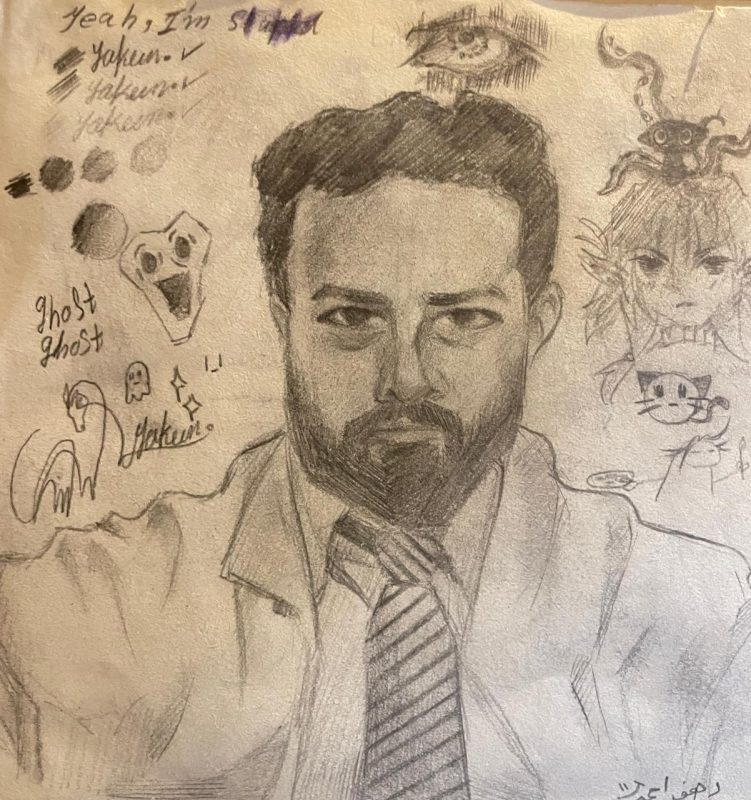
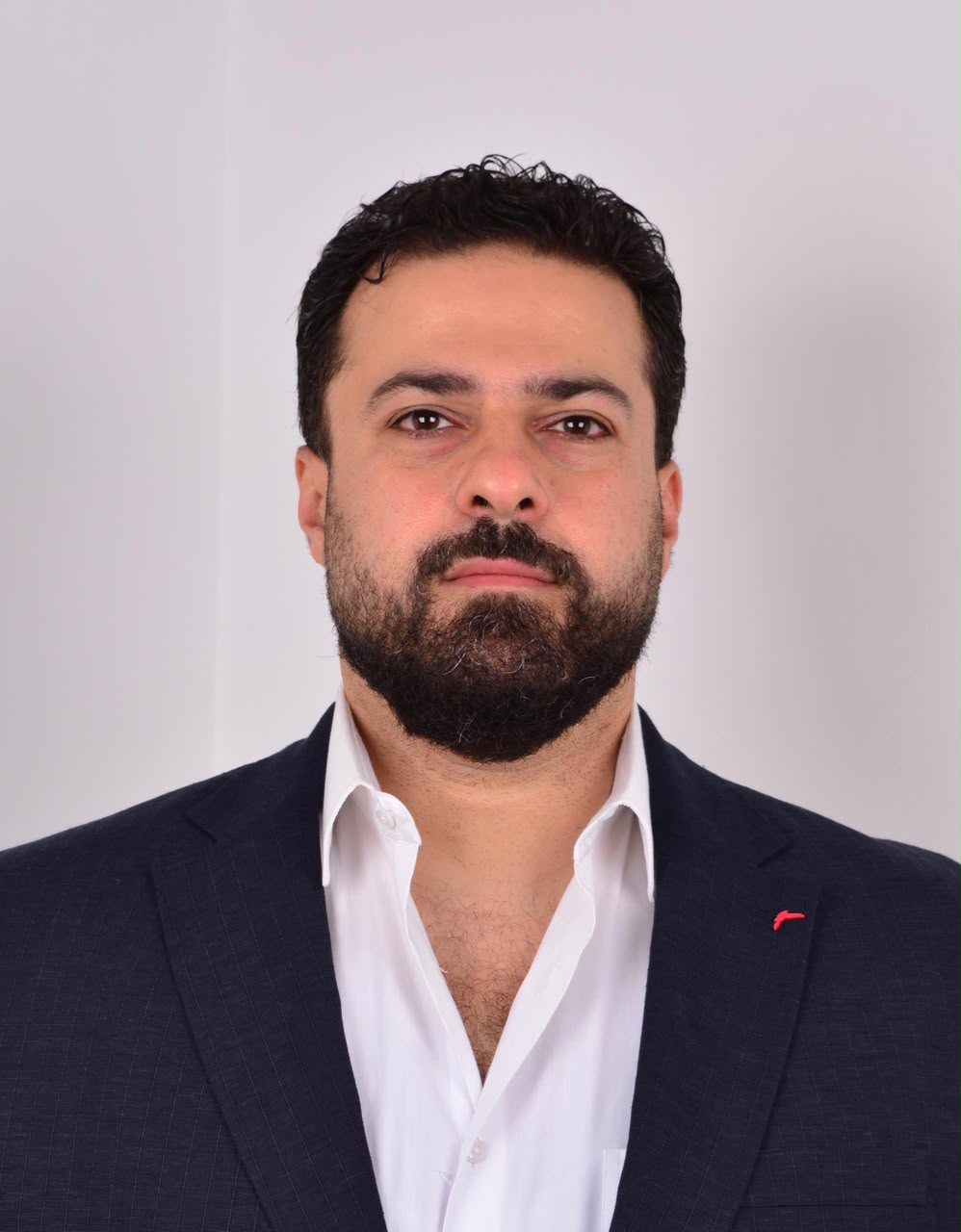
Portrait of Dr. Ahmed Maki

The surgeon

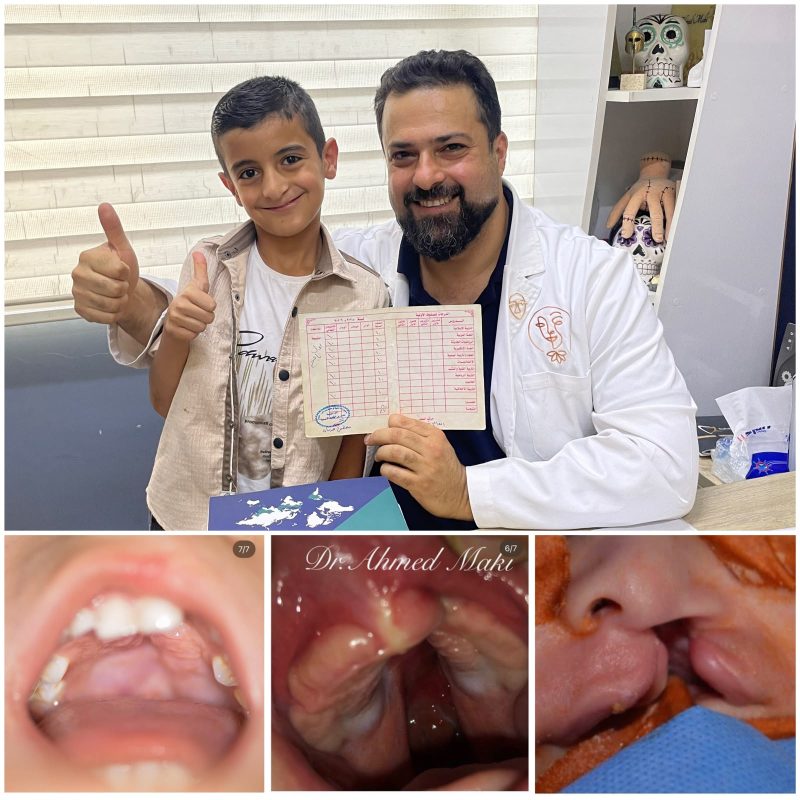
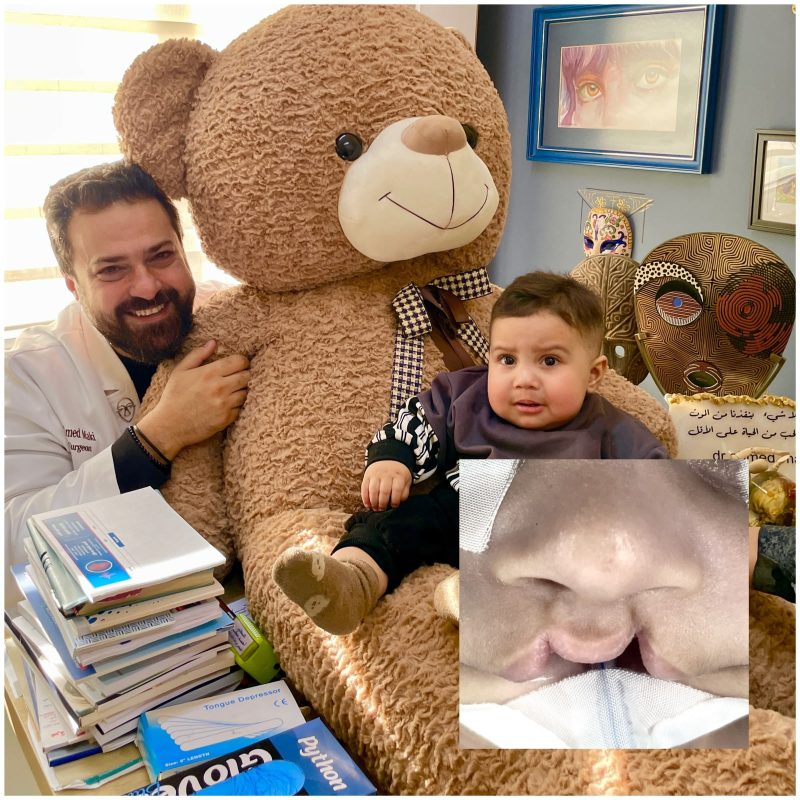
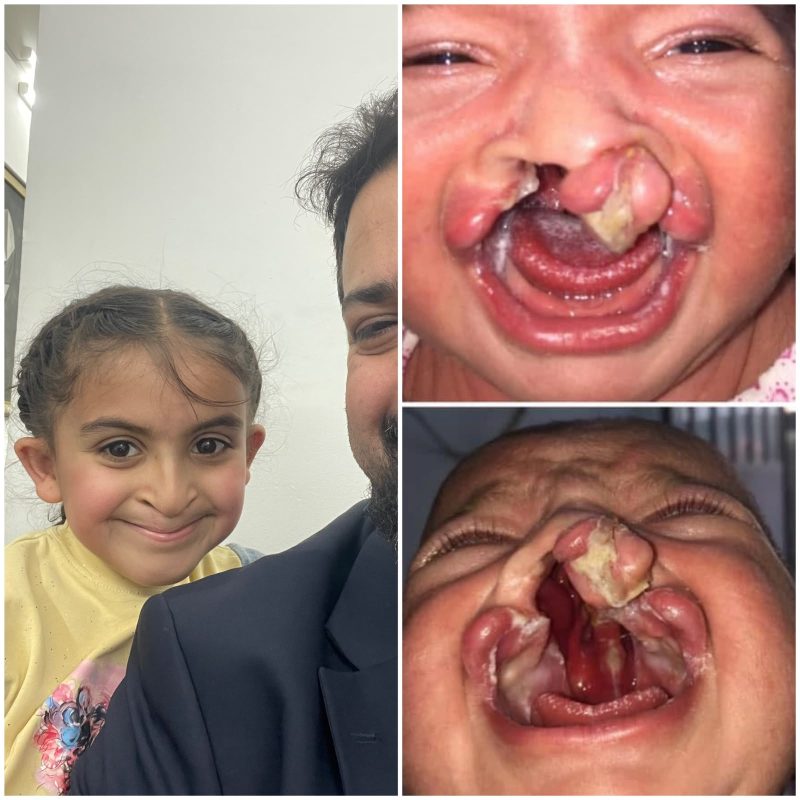
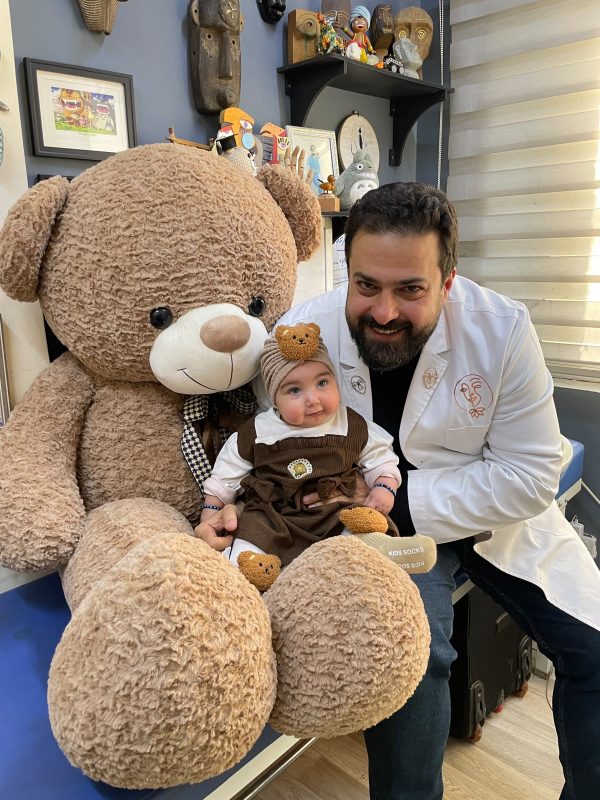
I am a craniomaxillofacial and cleft lip & palate surgeon based in Baghdad. My work centres on restoring the face — its function, its balance, and the confidence that comes with it — for children and adults alike.

Alongside cleft surgery I treat facial trauma, perform genioplasty and other corrective procedures, and follow each patient through the long arc of their transformation.

The artist

Outside the operating theatre I paint and sculpt. The same attention that guides a scalpel guides a brush: line, proportion, light, and the patience to keep working until a face feels alive.

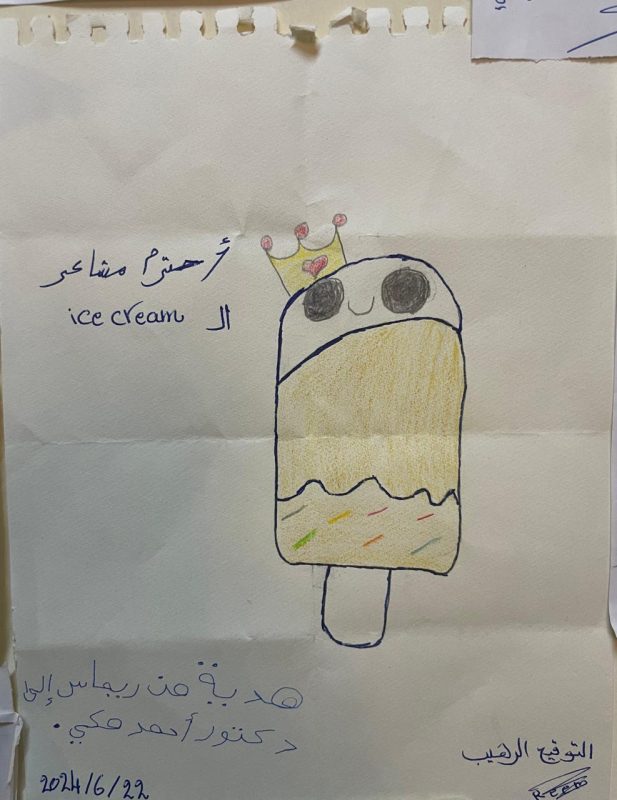
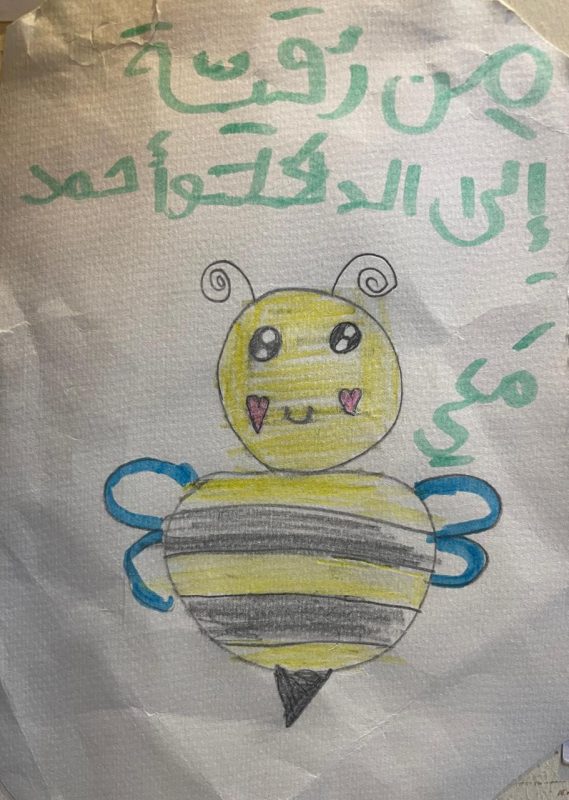
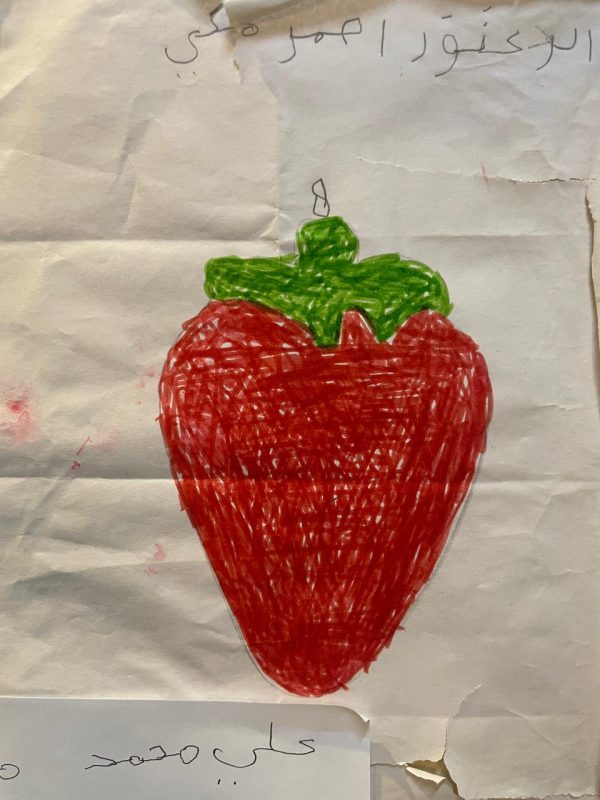
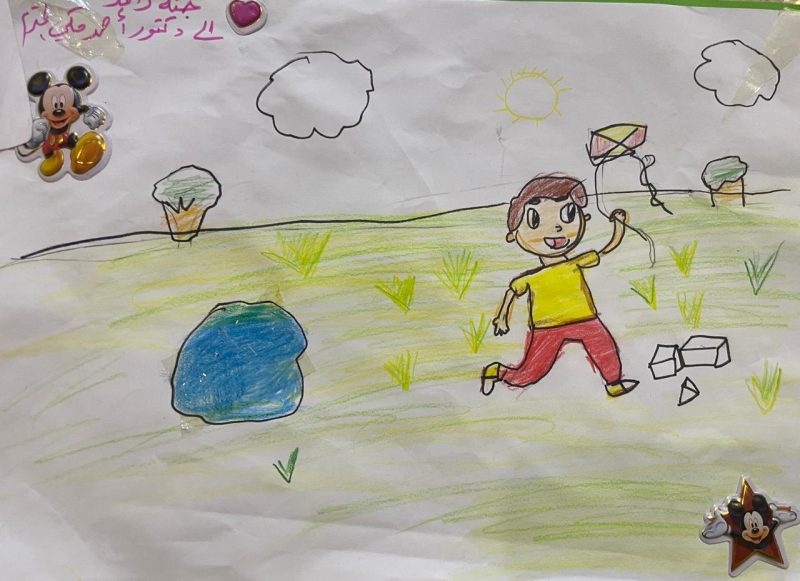
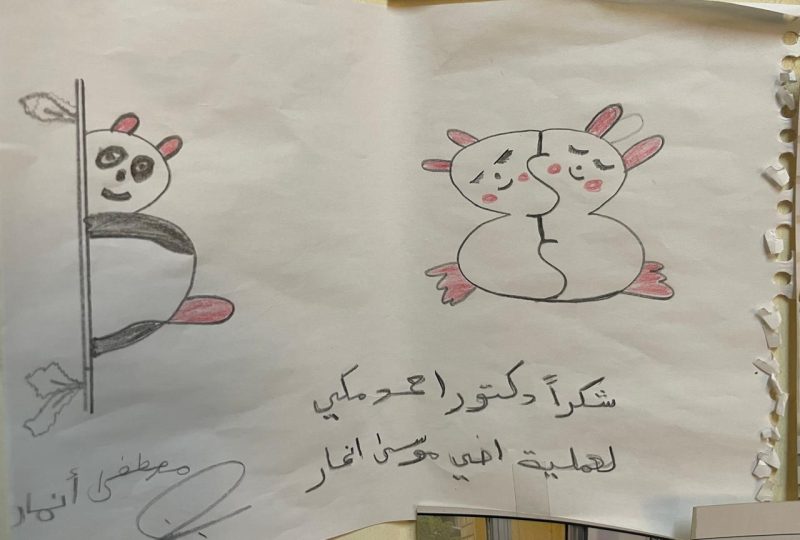
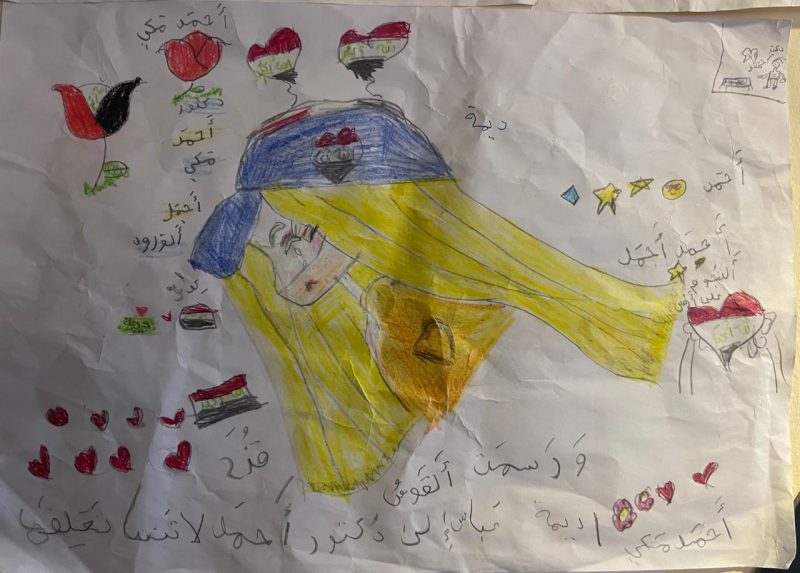
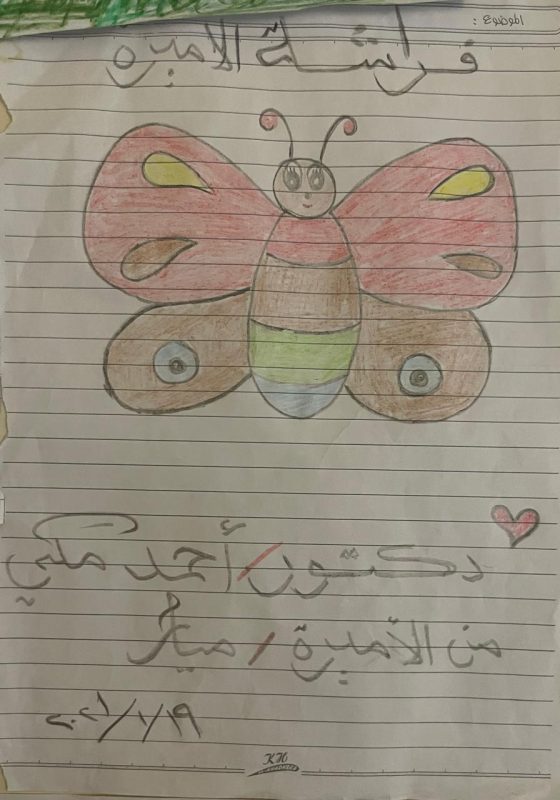
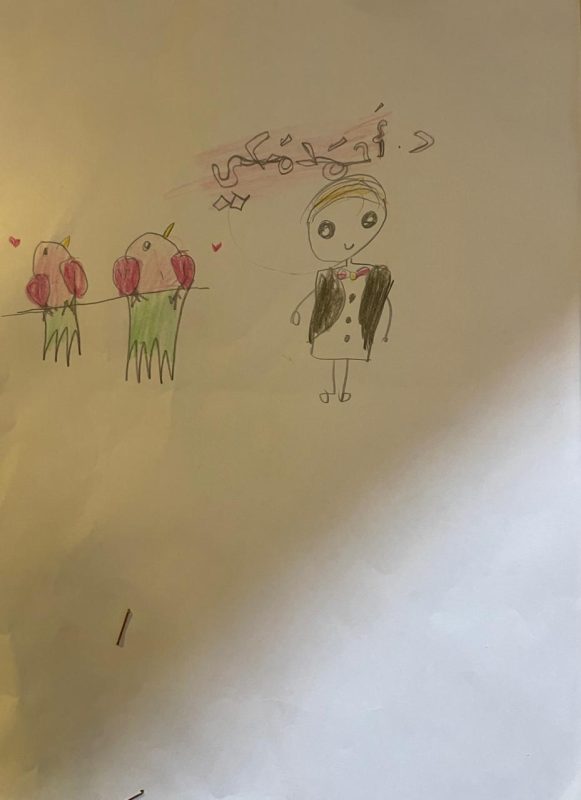
This gallery holds those paintings and sculptures — and the drawings that children have made for me along the way.

Surgeon

Treatments

Surgery for cleft lip and palate and for the face and jaws, for children and adults.


  • Cleft lip repair

    Surgery to close and reshape a cleft lip, restoring the look and function of the upper lip.

  • Cleft palate repair

    Closing a cleft in the roof of the mouth to help with feeding, speech and hearing.

  • Cleft lip & palate care

    Follow-up from infancy onwards for children born with a cleft lip and palate, including later corrective surgery.

  • Congenital facial differences

    Assessment and surgical treatment of facial differences present from birth.

  • Facial trauma

    Treatment of facial injuries and fractures of the facial bones and jaws.

  • Genioplasty & corrective surgery

    Chin surgery and other corrective procedures that improve facial balance.

  • Reconstructive surgery

    Rebuilding the form and function of the face for children and adults.

  • Maxillofacial surgery

    Surgery of the face, mouth and jaws.

Surgeon

Surgical Cases

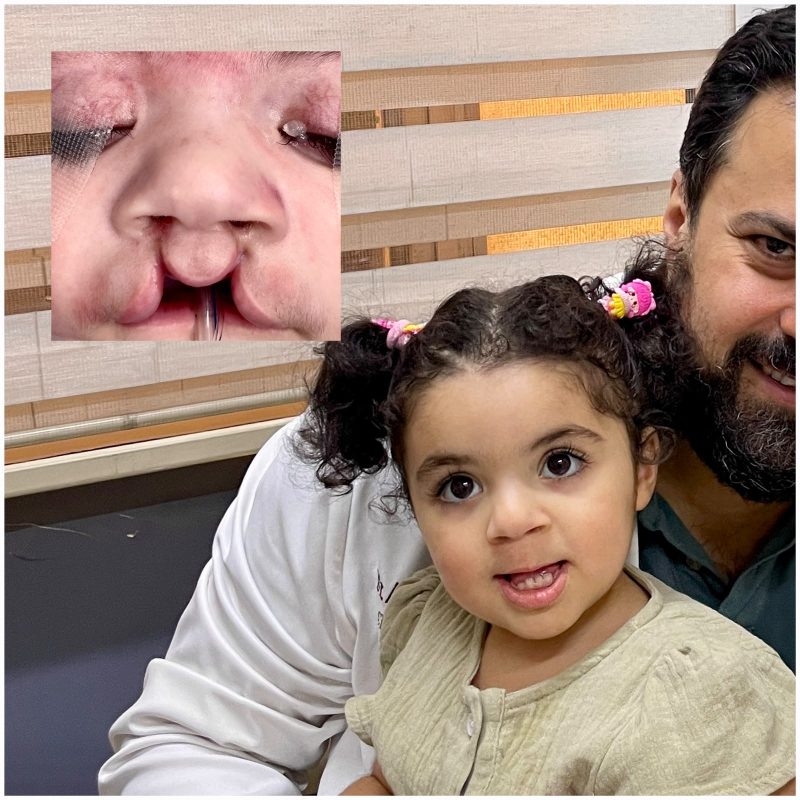
Selected results from clinical practice.
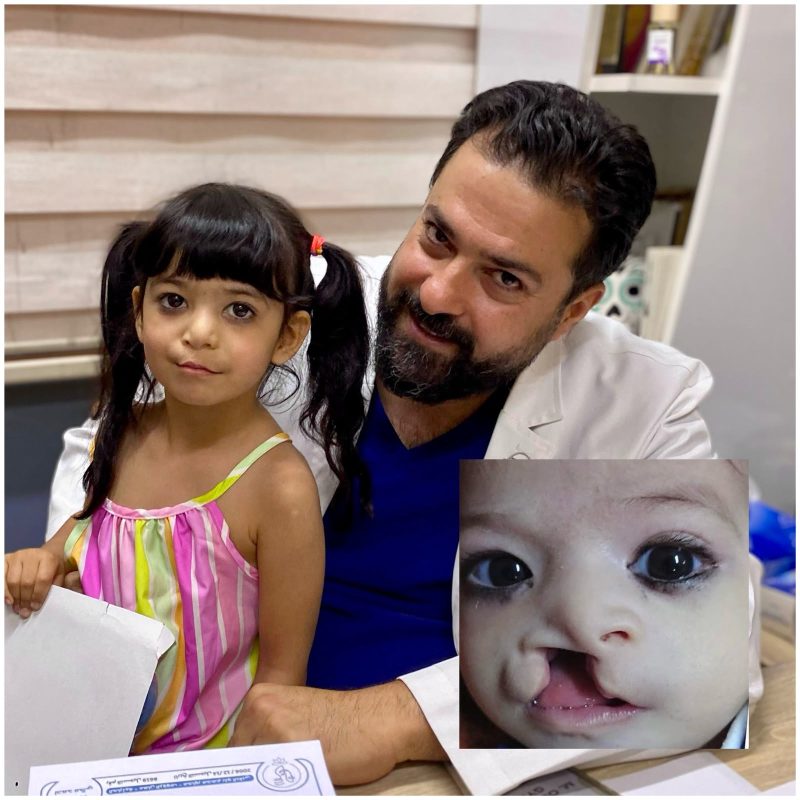

Cleft Lip And Palate
Cleft lip & palate

Cleft Lip And Palate

Cleft Lip Repair
Cleft lip & palate

Cleft Lip Repair

Cleft Repair Follow Up
Cleft lip & palate

Cleft Repair Follow Up

Facial Reconstruction
Transformation

Facial Reconstruction

Smile Restored
Transformation

Smile Restored

Unilateral Cleft Repair
Cleft lip & palate

Unilateral Cleft Repair

Surgeon

Guides for parents

What to expect and what to do after cleft lip and palate surgery, and how to support your child as they grow up.


These notes are general guidance, not a substitute for your own doctor’s instructions. If anything worries you about your child, contact the clinic.

For parents

After cleft lip repair surgery

This guidance follows current recommendations in cleft lip surgery. It is meant to protect the surgical site, speed up healing, and reduce complications.

1 Caring for the wound

  • Keep the surgical site clean and dry as much as possible.
  • Clean the lip gently with clean gauze and sterile water or saline, as the doctor instructs.
  • Apply only the prescribed ointment or cream, in the amount specified.
  • Do not scratch the wound or pull off the scabs.
  • A small amount of blood or discharge in the first two days is usually normal.

2 Feeding and nutrition

  • Feeding can usually begin a few hours after surgery, depending on the child and the surgical team’s instructions.

Preferred during the first week

  • Milk, fluids, and soft foods suitable for the child’s age.
  • Give water after each feed to rinse the mouth gently.

Must be avoided

  • Spicy or hard foods, for older children.
  • Hard pacifiers, where the doctor has advised against them.
  • Spoons or hard toys inside the mouth.

3 Protecting the surgical site

  • Some children need arm restraints or light mittens to stop them touching the wound.
  • These are usually worn for 5–10 days, as the surgeon directs.
  • Move the arms gently several times a day and keep checking the skin.

4 Pain and sleep

  • It is normal for the child to be unsettled or to cry a lot in the first few days.
  • Give pain relief only as prescribed.
  • Keeping the child’s head slightly raised during sleep helps reduce swelling.

5 When are the stitches removed?

  • Stitches come out 5–7 days after surgery, at the surgeon’s decision.
  • The type of stitch used varies with the child and the operation.

6 Important notes for parents

  • Mild swelling and an uneven-looking lip at first are normal, and improve gradually over the following weeks.
  • The final appearance of the wound and scar takes several months to show.
  • Calm, gentle care and good nutrition contribute a great deal to a successful result.

Dr. Ahmed Maki

For parents

After cleft palate repair surgery

Home care after palate surgery matters as much as the operation itself. This covers feeding, mouth care, protecting the surgical site, and follow-up.

1 Feeding after surgery

During the first two weeks

  • Give the child cool or lukewarm fluids.
  • Avoid hot fluids and hot food.
  • You may use a cup, a small spoon, or a feeding syringe — as the doctor instructs.

Must not be used

  • A pacifier.
  • Bottles with hard teats.
  • Straws.
  • Putting any hard object in the mouth.

For 4–6 weeks, or as the surgeon directs.

2 What the child can eat

First two weeks

  • Liquids
  • Semi-liquids
  • Very soft food

Such as milk, yoghurt, drinking yoghurt, soup, and juice.

After the second week

  • Gradually introduce soft, well-mashed food

Not allowed for about 6 weeks

  • Hard food
  • Crunchy food
  • Sharp-edged food

Such as crisps, hard biscuits, nuts, and dry bread — and no toys or metal spoons in the mouth.

3 Mouth and wound care

  • Give a little water after every feed or meal to help rinse the mouth.
  • Keeping the mouth clean reduces inflammation, speeds healing, and reduces odour.
  • The stitches used are usually dissolvable and do not need removing.

4 Pain and medication

  • Give medicines exactly as the doctor prescribed.
  • Giving pain relief before a feed helps the child eat comfortably.
  • Do not give any additional medicine without asking the doctor.

5 Protecting the surgical site

  • Stop the child putting fingers in the mouth.
  • Stop the child putting toys or objects in the mouth.
  • Some children need arm restraints for a short period to stop them touching the wound.

6 Things that are normal afterwards

  • Mild swelling.
  • A small amount of blood mixed with saliva.
  • A slight smell from the mouth.
  • A temporary drop in appetite.

These are usually normal in the first few days.

7 Follow-up

  • Come back for review at the appointment given after surgery.

Regular follow-up keeps track of

  • Healing of the palate
  • Feeding
  • Hearing
  • Speech
  • Growth of the jaw and teeth

A successful result does not rest on the surgery alone. Good care at home and steady follow-up are an essential part of the child’s treatment — and of the smile they grow up with.

Dr. Ahmed Maki

For parents

Supporting a child with cleft lip and palate — especially through adolescence

Adolescence is a very sensitive time when it comes to appearance and what other people say. The way parents treat their child makes a real difference to their confidence.

  1. 1
    Treat your child normally
  2. 2
    Do not keep talking about the scar or the shape of the face
  3. 3
    Listen to how he feels, and take it seriously

    Adolescence is a very sensitive age when it comes to appearance and other people’s comments.

  4. 4
    Never compare him to anyone

    Focus on his character, his abilities, and his own achievements.

  5. 5
    Build his confidence every day

    Through support, encouragement, hobbies, and social activities.

  6. 6
    Teach him how to answer with confidence

    When people ask questions — without fear or embarrassment.

  7. 7
    Do not underestimate bullying

    Emotional support matters far more than telling him to “just ignore it”.

  8. 8
    Avoid over-protecting him

    Confidence and independence are an important part of his emotional growth.

  9. 9
    Family support makes the biggest difference

    Studies show it is the single most important factor in building a child’s character and self-acceptance.

Always remember: a child usually sees himself the way his parents see him.

Dr. Ahmed Maki

Still have a question about your child?

Contact & Clinic
Kids' Drawings

Kids' Drawings

Drawings that children made for the doctor.
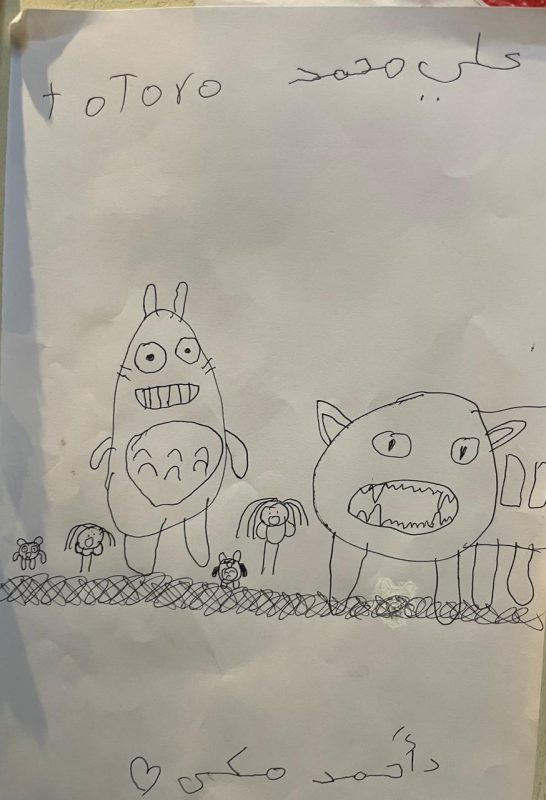

Draw for the Doctor Draw something for Dr. Ahmed and it could appear on this page.
Draw a picture
A Drawing For The Doctor

A Drawing For The Doctor

A Gift For The Doctor

A Gift For The Doctor

A Happy Day

A Happy Day

Colours For Doctor Ahmed

Colours For Doctor Ahmed

Flying A Kite In The Meadow

Flying A Kite In The Meadow

Hearts And Stars

Hearts And Stars

My Family

My Family

Smiling Again

Smiling Again

Sunshine And Flowers

Sunshine And Flowers

Thank You Doctor

Thank You Doctor

The House On The Hill

The House On The Hill

By نور عدي · age 10

By نور عدي · age 10

FAQ

Common questions

Answers to questions parents and patients often ask.


Who is Dr. Ahmed Maki?

Dr. Ahmed Maki is a craniomaxillofacial surgeon who specialises in cleft lip and palate surgery in Baghdad, Iraq. He treats children and adults at his clinic in Al-Harithiya, next to Blue Medical Complex.

What is a cleft lip?

A cleft lip is a condition present from birth in which there is an opening in the upper lip. It can come with a cleft palate (an opening in the roof of the mouth). It is treated with reconstructive surgery that restores the shape and function of the lip.

When is cleft lip and cleft palate surgery done?

The surgeon decides the right timing based on each child and their general health. Cleft lip repair is usually done in the first months of life, and cleft palate repair later, before the child starts to talk. Book a consultation to have your child assessed.

Does Dr. Ahmed Maki treat adults too?

Yes. Alongside cleft lip and palate surgery for children, Dr. Ahmed Maki treats facial injuries and fractures, and performs genioplasty and other corrective and reconstructive surgery of the face and jaws.

What should I do after my child's surgery?

The “Care Guides” section of this website has detailed instructions for parents after cleft lip repair and after cleft palate repair: wound care, feeding, and the warning signs that mean you should contact the doctor.

Where is the clinic and how do I book?

The clinic is in Al-Harithiya, Baghdad, next to Blue Medical Complex. To book, call or message on WhatsApp: +964 771 374 9280.

Contact

Contact & Clinic

Get in touch to book an appointment or ask a question.


Dr. Ahmed Maki Clinic — Facial Surgery, Cleft Lip & Palate

  • Address Baghdad – Al-Harithiya, next to Blue Medical Complex
  • Phone 07713749280

Follow

Send a message